

Jun 25,2026
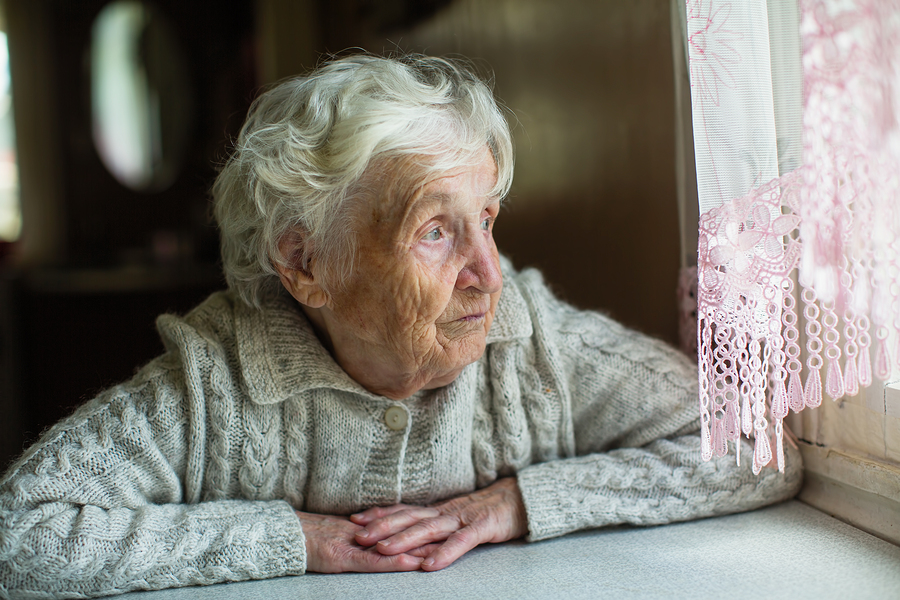
Social Connection Is More Important Than Ever
Human beings are social creatures. Our connections with family, friends, neighbors, and communities help us survive, thrive, and maintain our overall well-being.
As we age, however, staying socially connected can become more difficult. Retirement, health challenges, mobility limitations, the loss of loved ones, transportation barriers, and caregiving responsibilities can all contribute to increased isolation.
According to AARP, millions of older adults experience social isolation and loneliness. The impact extends beyond seniors themselves and often affects spouses, adult children, and family caregivers who may also become disconnected from their social networks.
The good news is that social isolation is not inevitable. With awareness, support, and the right resources, older adults and caregivers can remain engaged, connected, and involved in their communities.
Social isolation is more than simply spending time alone.
A person can live alone and feel connected. Conversely, someone can be surrounded by people and still experience loneliness.
The AARP Foundation defines social isolation as being physically or psychologically disconnected from meaningful relationships, support systems, and community connections.
Research has linked prolonged social isolation to numerous health concerns, including:
Social engagement is increasingly recognized as an important component of healthy aging and brain health.
Reference:
https://www.aarp.org/livable-communities/health/info-2014/isolation-loneliness-health-effects.html
Certain life circumstances can increase the likelihood of isolation.
Many older adults prefer to remain in their homes as they age. While aging in place can provide independence and comfort, it may also result in fewer opportunities for social interaction.
Individuals may become isolated due to:
Caregivers are another group at significant risk.
Many caregivers devote substantial time and energy to supporting a loved one. As responsibilities increase, they often reduce social activities, hobbies, travel, and personal interests.
Over time, caregivers may experience their own form of social isolation while focusing on the needs of someone else.
The first step is recognizing the signs and taking proactive measures to increase connection and engagement.
Social engagement does not have to be complicated.
Simple opportunities can make a significant difference:
The goal is not simply staying busy but remaining meaningfully connected to others.
Family members can help by maintaining consistent communication.
This may include:
Even small interactions can help reduce feelings of isolation.
Transportation is one of the most common barriers to social engagement.
Many communities offer:
Helping older adults maintain access to their communities helps preserve independence and social connection.
Many organizations provide valuable support for older adults and caregivers.
Examples include:
These services help individuals remain active, connected, and supported while living in their communities.
Reference:
https://eldercare.acl.gov
One of the most effective ways to combat social isolation is through structured social engagement.
Adult day programs provide opportunities for older adults to:
At Elder-Well®, our person-centered approach focuses on creating meaningful opportunities for connection, conversation, engagement, and community.
For many participants, attending an adult day program is about much more than activities. It is about being seen, valued, and connected.
Adult day programs also support caregivers.
While participants enjoy social engagement and meaningful experiences, caregivers gain:
When caregivers are supported, families are stronger.
Social isolation affects millions of older adults and caregivers each year, but it is not something families must face alone.
By recognizing risk factors, encouraging meaningful engagement, utilizing community resources, and building opportunities for connection, older adults can remain active, involved, and supported.
Connection is not a luxury.
It is a fundamental part of healthy aging.
Sometimes the most powerful intervention is simply helping someone feel that they belong.
Resources
AARP Foundation
https://www.aarp.org
National Adult Day Services Association
https://www.nadsa.org
Eldercare Locator
https://eldercare.acl.gov
Feel free to contact us with any questions regarding our services or to schedule a visit.